



Health Blog
-
Do You Wake Up Each Morning With a Spring in Your Step!


Some of us are morning people and others of course are better at night.
Unfortunately, most of us do have to get up reasonably early each morning in order to function for the day ahead.
But are there ways to help make our mornings easier?
The good news is that there are - and we share our top ten tips...
-
Healing Herbs & How They Give Us More Natural Solutions
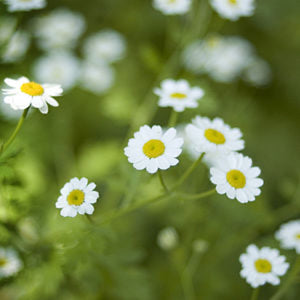
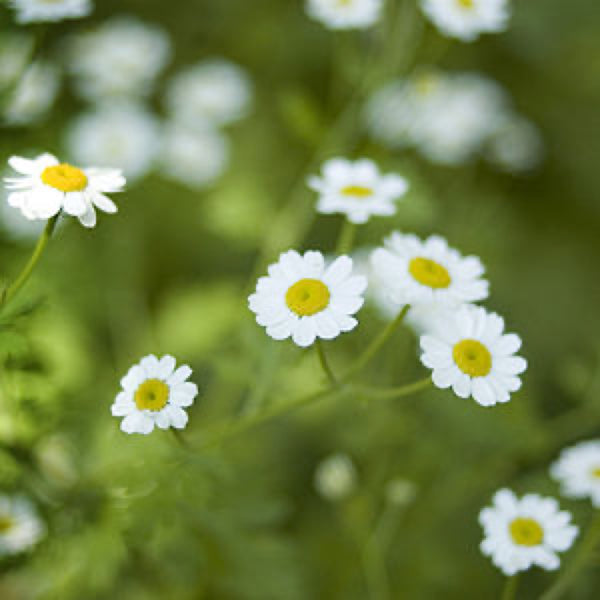
We have relied on herbs and herbal medicine to treat our ailments and conditions for centuries - and yet even today when so much more is known about herbs and their medicinal properties, many look down on them as being quackery.
Of course, much of the medical world would prefer us to use commercial drugs for treatment and healing, being dismissive of a more natural approach.
However, there are very distinct advantages to using herbs whenever possible instead of commercial drugs.
-
The Skin Tag Product You Need to Try
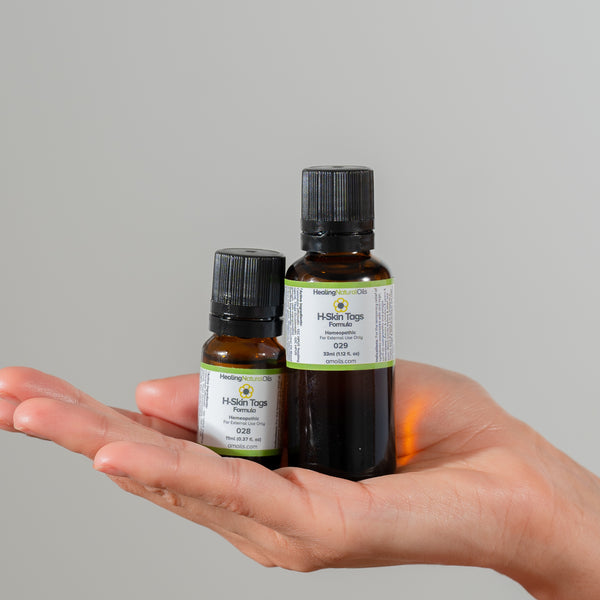
Skin tags are small growths that hang off your skin and the good news is that they are harmless and usually painless.
However, many want to remove them because they can cause embarrassment or catch on clothing or jewellery.
Find out more about the different methods of removing skin tags including the most natural and gentle option.
-
Why did Clover in Lawns Go out of Fashion?
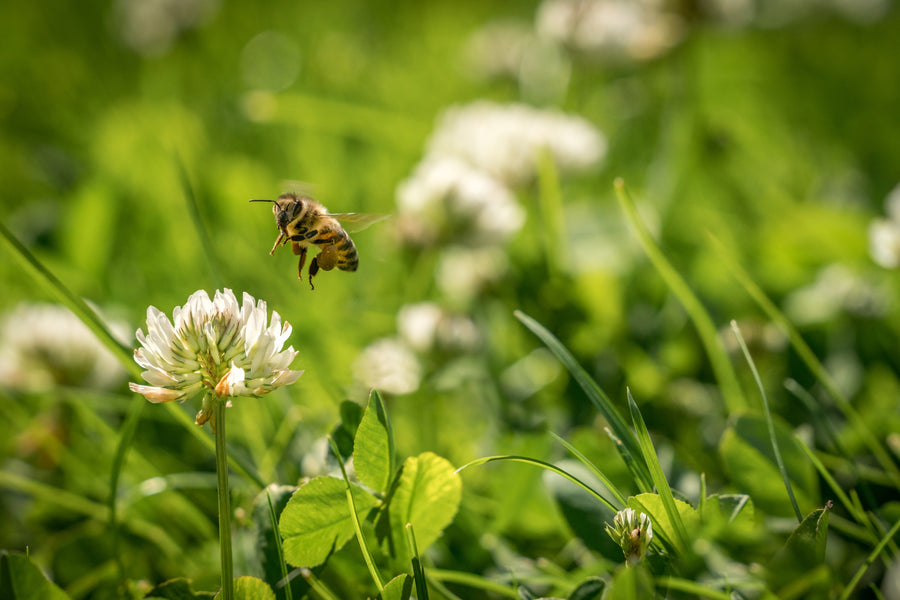 There are not many gardeners around who would remember what it was like to garden in the 1930s but the important fact to know is that lawns (before World War 2) were usually a mix of grass and clover. Find out what happened to change that!
 -
Did You Know That We All Have Eyelash Mites?
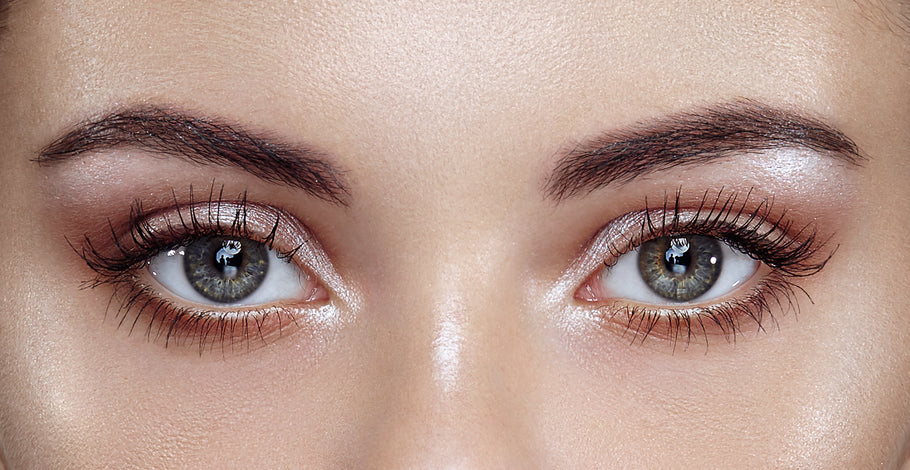 Yes we all do! But the good news is that for most of us they are not usually a cause for concern. Find out more about what to do if eyelash mites start to become a problem...
 -
Say Goodbye to Stretch Marks and Cellulite
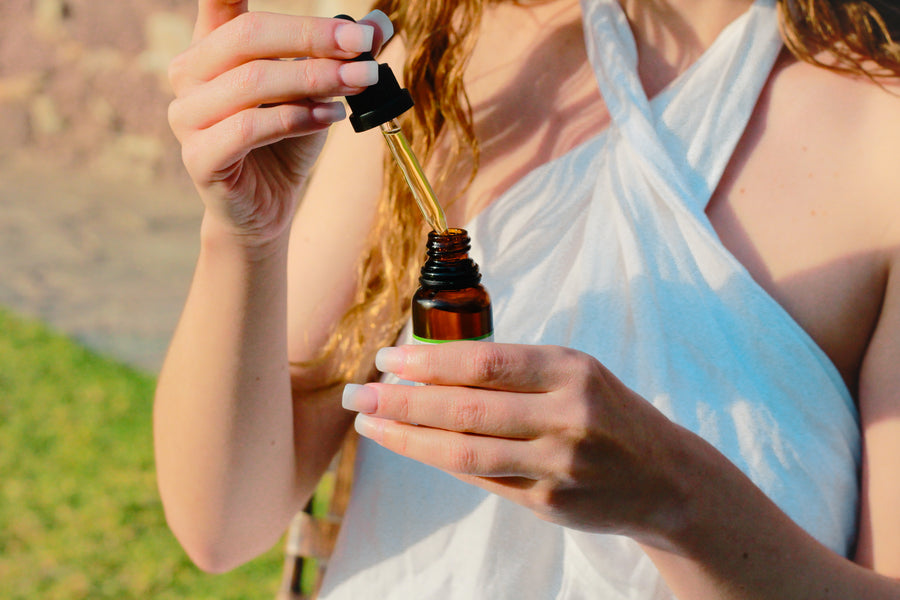
These two different skin conditions - namely, stretch marks and cellulite - will both affect the skin and cause embarrassment.
But how do they differ and what can we do to help...
-
How to Keep Those Nails Clean Whatever the Chore!
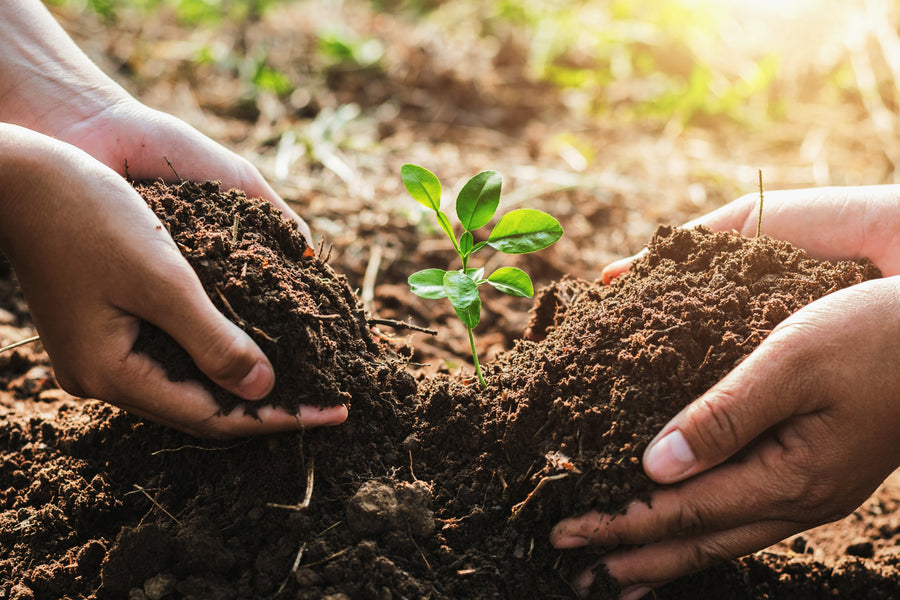
Some of us will call it soil, others use the term 'dirt' but either way if you are a hands-on sort of gardener, the chances are that you will get some soil under your fingernails.
We share some suggestion on how to get those nails clean again.
-
Top Tips on How to Treat the Symptoms of Hay Fever
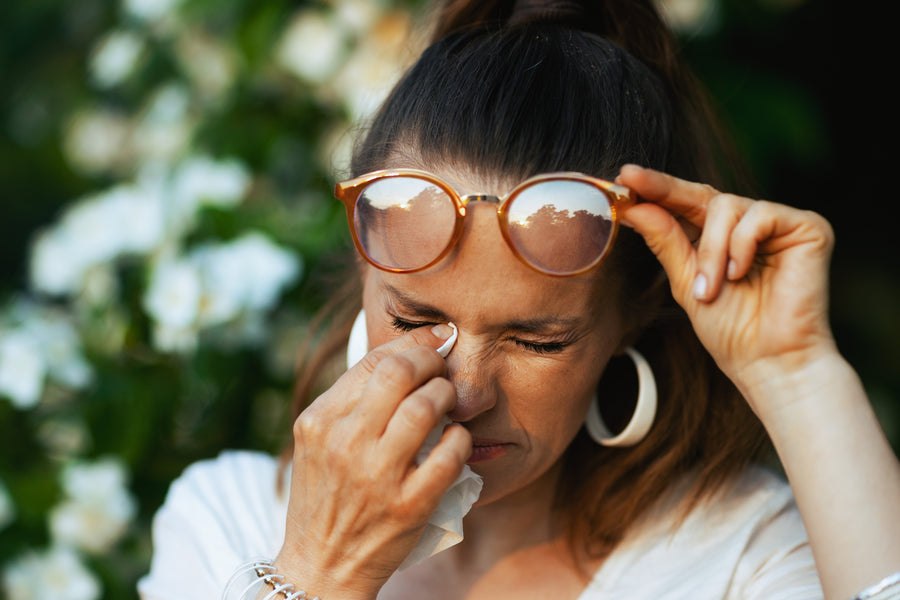
Spring in the Northern hemisphere can bring misery to the many who suffer from hay fever. Allergy season can last from late March to as long as September when those allergens - especially tree pollen, grasses and weeds - are most prevalent in the natural environment and leading to sneezing, watery eyes and itchy noses.
-
Unlocking the Secrets of Psoriasis Care
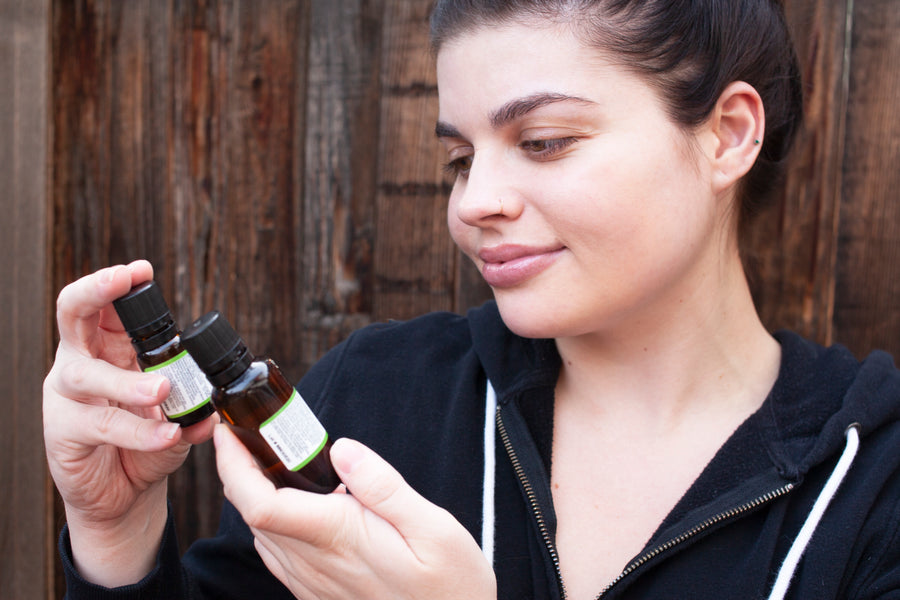
Psoriasis on the scalp is a common place where this skin condition can occur. We share the symptoms along with information on how to help.
-
Is Nail Biting a Problem for Your Child?

 Nail biting in children is a tale as old as time, but it doesn’t mean you should just accept it. Nibbling on those nails can be damaging to health and wellbeing, as well as point to underlying problems.
 -
Top Natural Solution for Eye Wrinkles
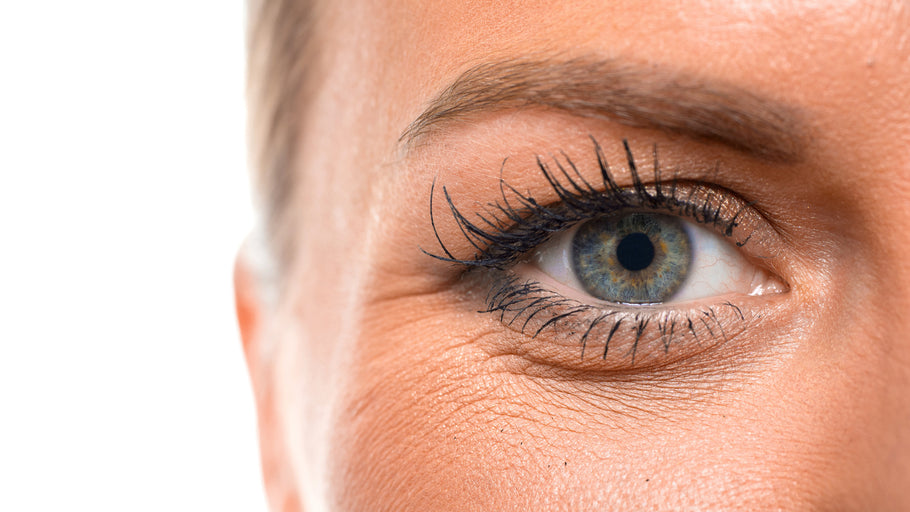 We share information about eye wrinkles and what you can do about them.
 -
These Scandinavian Sleep Suggestions for a Restful Night
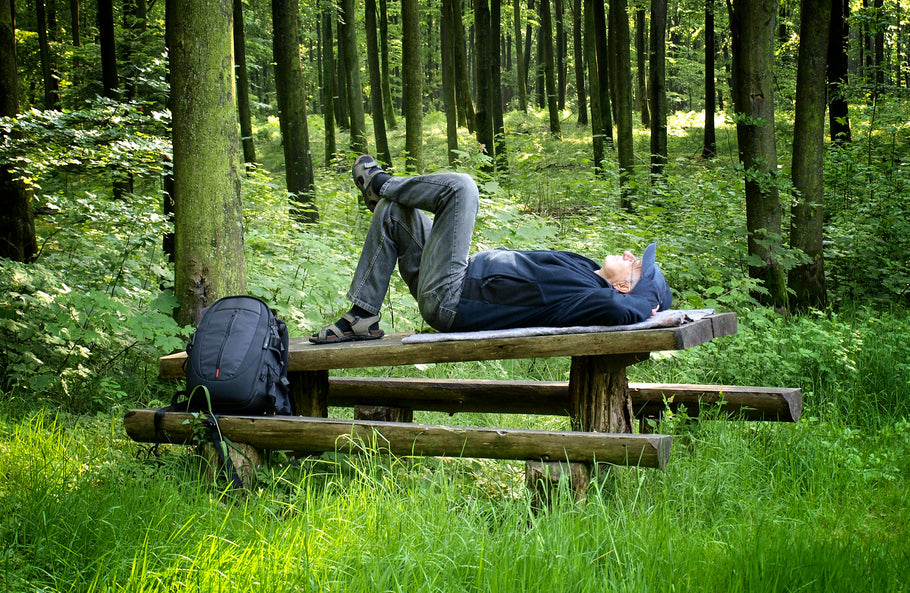
This year on March 15th, it was World Sleep Day - an annual event organized by the World Sleep Day Committee of the World Sleep Society (formerly World Association of Sleep Medicine) since 2008.
The goal of World Sleep Day is to celebrate the benefits of good and healthy sleep and to draw society's attention to the burden of sleep problems and their medical, educational and social aspects while promoting the prevention and management of sleep disorders.
It was estimated in 2019 that sleep deprivation cost the US over $400 billion a year with other first world countries also recording losses.
We share some suggestions from Scandinavia on how to help improve our quality of sleep...
























- Page 1 of 33
- Next page