Healing Natural Oils
1042 N El Camino Real
Suite B-426
Encinitas, CA 92024

866 445 5433
Toll Free

Contact us by email


You are here: home Medical Studies

Medical Studies

 
(The following medical studies have been done on some of the
constituents present in our formulas)


Genital Herpes:

Antiherpes virus activity of extracts from the medicinal plant Geranium sanguineum L.

Serkedjieva J, Ivancheva S.

Institute of Microbiology, Bulgarian Academy of Sciences, Sofia.

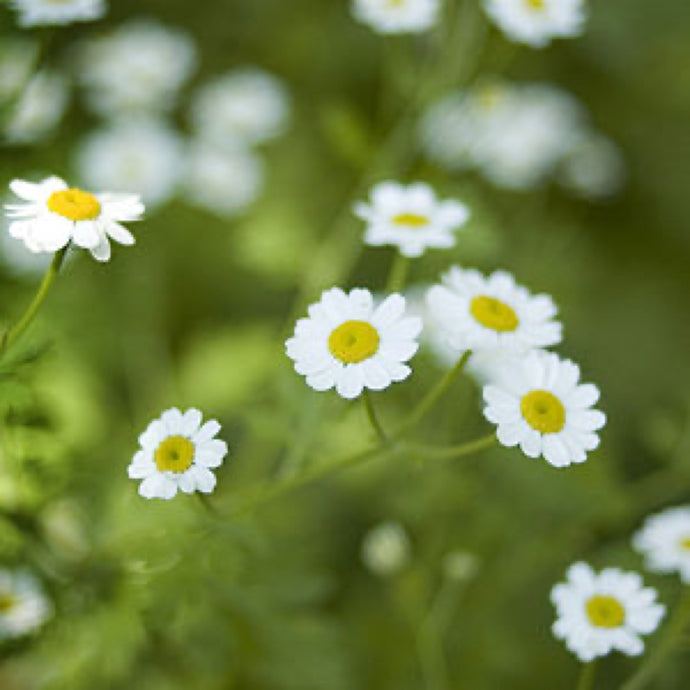
The herpes virus inhibitory effect of five extracts from the Bulgarian medicinal plant Geranium sanguineum L, (Geraniaceae - found in the product H-Away™) was investigated.

The water extract (WE) from the aerial roots of the plant was the least toxic for cell cultures and inhibited significantly the replication of herpes simplex virus type 1 and type 2 (EC50 = 3.6-6.2 microg/ml) as shown by the reduction of virus induced cytopathogenic effect (CPE) and the protection of cells in MTT assay.

The inhibition was dose-related, strain-specific and depended on virus inoculum. In higher concentrations (MIC90 = 120 microg/ml) the preparation exhibited strong extracellular virus inactivating activity. The presence of WE throughout the whole replicative cycle was necessary for the full expression of the antiviral effect.
In a preliminary experiment in albino guinea pigs the extract (constituents found in H-Away) delayed the development of herpetic vesicles following primary infection with HSV-1, strain Kupka. Phytochemical investigation of the plant preparation revealed the presence of flavonoids, catechins, a polyphenolic acid and condensed tannins. The inhibitory effect of the extract on herpes simplex virus replication is related to the rich content of polyphenol compounds.

PMID: 10075123 [PubMed - indexed for MEDLINE]

It can therefore be concluded that quantitative proof exists in vivo that H-Away™ effectively and safely inhibits HSV2 (genital herpes).


Oral Herpes/HSV1 (cold sores):

Enhancement of anti-herpetic activity of antisense phosphorothioate oligonucleotides 5' modified with geraniol.

Shoji Y, Ishige H, Tamura N, Iwatani W, Norimatsu M.

Institute of Medical Science, St. Marianna University, School of Medicine, Kawasaki, Japan.

We have previously shown that antisense phosphorothioate oligonucleotide (SON) targeted against immediate early (IE) pre-mRNA5 of the herpes simplex virus type I (HSV-I) possessed potent anti-herpetic activities in vitro system. However, anti-herpetic activities of SON were not still efficient enough. Lipophilic compounds have been often conjugated with antisense oligonucleotide to enhance the biological activity.

In this study, we selected geraniol as a lipophilic compound and newly synthesized SON bearing 5' terminal geraniol (geranyl-SON) toward IE pre-mRNA 5 of the HSV-1 to enhance the anti-herpetic activity.

Geraniol is a olefinic terpene alcohol which is found in many essential oils (some of which are found in H-Away™). It possesses lipophilic characteristic. It is thought to be absorbed in tissue.

Geraniol enhanced the anti-herpetic activity of SON with less cytotoxicity in a sequence specific manner. Terminal modification with geraniol did not affect binding affinity with complimentary DNA. Cytoplasm distribution of geranyl-SON was confirmed by confocal microscope. While some of the geranyl-SON was seen in the nucleus, unmodified SON had a punctate distribution in the cytoplasm with little in the nucleus.

These results suggested that geranyl modification enhances anti-herpetic activity by changing the subcellular distribution of the oligonucleotides. Consequently geraniol-modifica-tion could provide new means for the efficient delivery of oligo-nucleotides.

PMID: 9713976 [PubMed - indexed for MEDLINE]

Our Conclusion: the anti-viral constituent geraniol in H-Away™ is able to penetrate into cell membranes to safely inactivate HSV1 (cold sores, fever blisters).


Herpes - Shingles:

Inactivation of enveloped viruses by anthraquinones extracted from plants.

Sydiskis RJ, Owen DG, Lohr JL, Rosler KH, Blomster RN.

Department of Microbiology, University of Maryland, Baltimore 21201.

To determine the extent of antiviral activity present in a number of plant extracts, hot glycerin extracts were prepared from Rheum officinale, Aloe barbadensis, Rhamnus frangula, Rhamnus purshianus, and Cassia angustifolia and their virucidal effects were tested against herpes simplex virus type 1.

All the plant extracts inactivated the virus. The active components in these plants were separated by thin-layer chromatography and identified as anthraquinones.

A purified sample of aloe emodin was prepared from aloin, and its effects on the infectivity of herpes simplex virus type 1 and type 2, varicella-zoster virus, pseudorabies virus, influenza virus, adenovirus, and rhinovirus were tested by mixing virus with dilutions of aloe emodin for 15 min at 37 degrees C, immediately diluting the sample, and assaying the amount of infectious virus remaining in the sample.

The results showed that aloe emodin inactivated all of the viruses tested except adenovirus and rhinovirus. Electron microscopic examination of anthraquinone-treated herpes simplex virus demonstrated that the envelopes were partially disrupted.

These results show that anthraquinones extracted from a variety of plants are directly virucidal to enveloped viruses.

PMID: 1810179 [PubMed - indexed for MEDLINE]


Acne:

Antimicrobial effects of tea-tree oil and its major components on Staphylococcus aureus, Staph. epidermidis and Propionibacterium acnes.

Raman A, Weir U, Bloomfield SF.

Department of Pharmacy, King's College London, UK.

Major components of two tea-tree oil (melaleuca) samples were identified using thin layer and gas-liquid chromatography (TLC and GLC). Using a TLC-bioautographic technique, the tea-tree oils (melaleuca), terpinen-4-ol, alpha-terpineol and alpha-pinene were found to be active against Staphylococcus aureus, Staph. epidermidis and Propionibacterium acnes whereas cineole was inactive against these organisms.

The MIC values of the three active compounds increased in the order alpha-terpineol < terpinen-4-ol < alpha-pinene for all three micro-organisms. MIC values of the tea-tree oils and terpinen-4-ol were lower for P. acnes than for the two staphylococci.

This study supports the use of tea-tree oil (melaleuca- found in Heal Acne™) in the treatment of acne, and demonstrates that terpinen-4-ol is not the sole active constituent of the oil.

PMID: 7576514 [PubMed - indexed for MEDLINE]


Candida (Yeast Infection):

In-vitro activity of essential oils, in particular Melaleuca alternifolia (tea tree) oil and tea tree oil products, against Candida spp.

Hammer KA, Carson CF, Riley TV.

Department of Microbiology, The University of Western Australia, The Queen Elizabeth II Medical Centre, Nedlands.

The in-vitro activity of a range of essential oils, including tea tree (melaleuca) oil, against the yeast candida was examined.

Of the 24 essential oils tested by the agar dilution method against Candida albicans ATCC 10231, three did not inhibit C. albicans at the highest concentration tested, which was 2.0% (v/v) oil. Sandalwood oil had the lowest MIC, inhibiting C. albicans at 0.06%. Melaleuca alternifolia (tea tree) oil, (found in Heal Candida™), was investigated for activity against 81 C. albicans isolates and 33 non-albicans Candida isolates. By the broth microdilution method, the minimum concentration of oil inhibiting 90% of isolates for both C. albicans and non-albicans Candida species was 0.25% (v/v). The minimum concentration of oil killing 90% of isolates was 0.25% for C. albicans and 0.5% for non-albicans Candida species.

Fifty-seven Candida isolates were tested for sensitivity to tea tree oil by the agar dilution method; the minimum concentration of oil inhibiting 90% of isolates was 0.5%.

Tests on three intra-vaginal tea tree oil products showed these products to have MICs and minimum fungicidal concentrations comparable to those of non-formulated tea tree oil, indicating that the tea tree oil contained in these products has retained its anticandidal activity.

These data indicate that some essential oils are active against Candida spp., suggesting that they may be useful in the topical treatment of superficial candida infections.

PMID: 9848442 [PubMed - indexed for MEDLINE]


Headaches:

Effectiveness of Oleum menthae piperitae and paracetamol in therapy of headache of the tension type.

Gobel H, Fresenius J, Heinze A, Dworschak M, Soyka D.

Klinik fur Neurologie, Christian-Albrechts-Universitat, Kiel.

The effect of a locally applied peppermint oil preparation on tension-type headache was examined in the design of a randomized, placebo-controlled double-blind crossover study for the first time. The preparation was tested against both the reference substance acetaminophen and to the corresponding placebo. The liquid test preparation contained 10 g peppermint oil and ethanol (90%) ad 100 (test preparation LI 170, Lichtwer Pharma, Berlin); the placebo was a 90% ethanol solution to which traces of peppermint oil were added for blinding purposes.

The reference preparation contained 500 mg acetaminophen; the placebo tablet was identical to the verum in size and appearance. The study included the analysis of 164 headache attacks of 41 patients of both sexes ranging between 18 and 65 years of age, suffering from tension-type headache in accordance with the IHS classification. Four headache episodes per patient were treated in a double-blind, randomized crossover design. Each headache attack was treated by the application of 2 capsules of the oral medication (1,000 mg of acetaminophen or placebo) and the cutaneous application of the oil preparation (peppermint oil or placebo solution).

The oil was spread largely across forehead and temples which was repeated after 15 and 30 minutes. Using a headache diary, the headache parameters were assessed after 15, 30, 45 and 60 minutes. Compared to the application of placebo, a 10% peppermint oil in ethanol solution significantly reduced the clinical headache intensity already after 15 minutes (p - 0.01). This significant clinical reduction of the pain intensity continued over the one hour observation period. Acetaminophen, too, proved to be efficient compared to placebo (p - 0.01). There was no significant difference between the efficacy of 1,000 mg of acetaminophen and 10% peppermint oil in ethanol solution.

Simultaneous application of 1,000 mg of acetaminophen and 10% peppermint oil in ethanol solution leads to an additive effect which remains below the significance threshold, however. The patients reported no adverse events. This controlled study showed for the first time that a 10% peppermint oil in ethanol solution efficiently alleviates tension-type headache. Peppermint oil (an active constituent in Heal Headaches™) thus proves to be a well-tolerated and cost-effective alternative to usual therapies.

PMID: 8805113 [PubMed - indexed for MEDLINE]


100% Risk-Free
Guarantee
60 day Money Back guarantee
Secure
Shopping
Special Offers!
Register Below:
Your Privacy & Shipping Info
      In the
       Press
Testimonials
F.A.Q

Sitemap     Become an Affiliate

©2001 - 2009 Amoils.com all rights reserved


Disclaimer Our products do not diagnose or cure disease. These are natural products that have not yet been assessed by the FDA. These products are intended to be used for alternative healing. Use as instructed and if your condition persists, see a doctor.