20 YEARS OF NATURAL PRODUCTS
Proudly Manufactured in the USA
ALL NATURAL SINCE 2001
Highest Quality Natural Ingredients
All Natural Since 2001
Over 1 Million Products Sold
Pause slideshow
Play slideshow
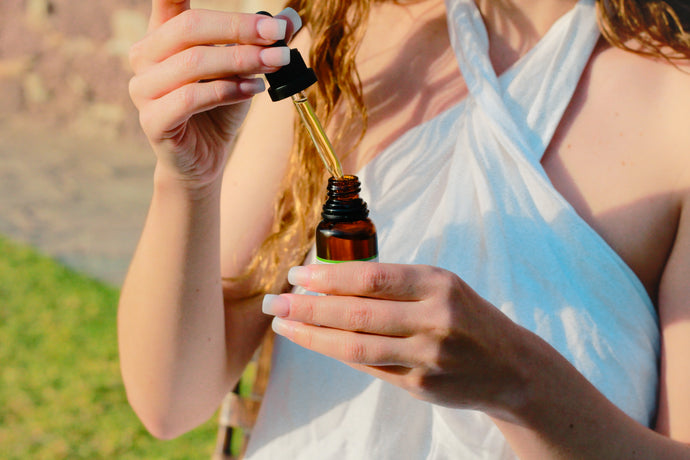
Healing Herbs & How They Give Us More Natural Solutions
April 23, 2024
We have relied on herbs and herbal medicine to treat our ailments and conditions for centuri...
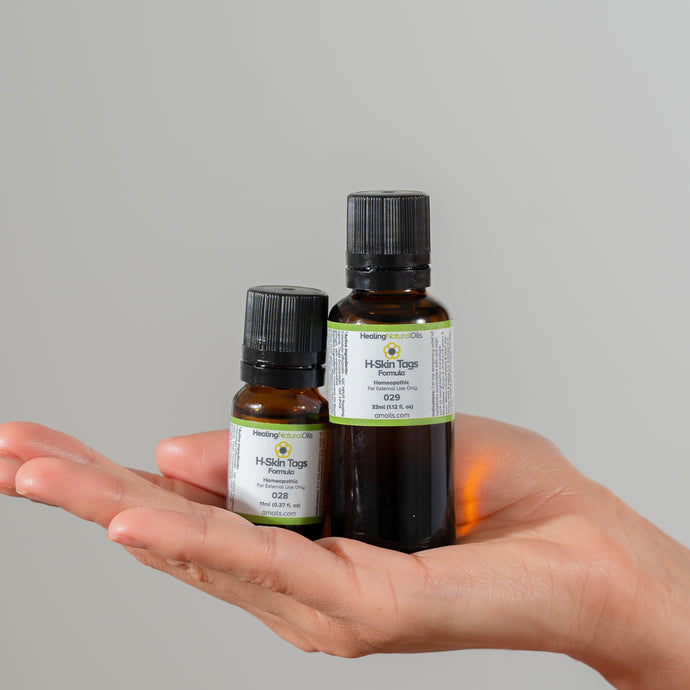
The Skin Tag Product You Need to Try
April 22, 2024
Skin tags are small growths that hang off your skin and the good...
Why did Clover in Lawns Go out of Fashion?
April 20, 2024
There are not many gardeners around who would remember what it was like to garden in the 1930s but the important fact...
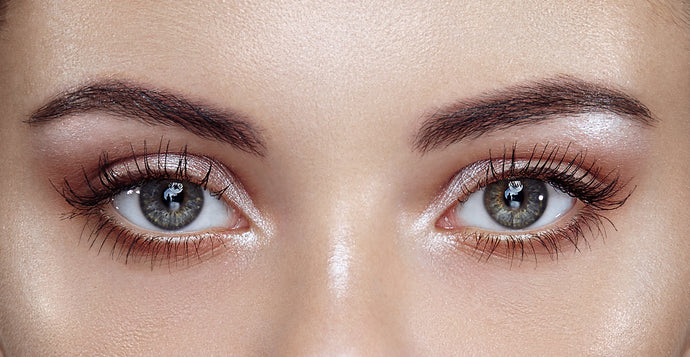
Did You Know That We All Have Eyelash Mites?
April 16, 2024
Yes we all do! But the good news is that for most of us they are not usually a cause for concern. Find out more about...
Say Goodbye to Stretch Marks and Cellulite
April 15, 2024
These two different skin conditions - namely, stretch marks and cellulite - will both affect...
How to Keep Those Nails Clean Whatever the Chore!
April 9, 2024
Some of us will call it soil, others use the term 'dirt' but either way if you are a hands-on sort of gardener, th...
Top Tips on How to Treat the Symptoms of Hay Fever
April 7, 2024
Spring in the Northern hemisphere can bring misery to the many who suffer from hay fever. A...
Unlocking the Secrets of Psoriasis Care
April 6, 2024
Psoriasis on the scalp is a common place where this skin condition can occur. We share the ...
Is Nail Biting a Problem for Your Child?
April 2, 2024
Nail biting in children is a tale as old as time, but it doesn’t mean you should just acc...
Use left/right arrows to navigate the slideshow or swipe left/right if using a mobile device