

You are pregnant and you are proud, so you need to
make sure you are doing the very best you can both
for you and your baby during the coming 9 months.
o Prenatal Care – as soon as you suspect you
are pregnant, sign up with a doctor or midwife with
whom you will be happy to entrust your welfare and
that of your baby over the coming months. Regular
tests, examinations and scans will occur throughout
the pregnancy. Remember to take a urine sample with
you every time you have an appointment and always
keep those appointments. You will soon get used to
these regular visits and should not find them too
stressful.
o Vitamins and Folic Acid – take prenatal supplements
as these contain more folic acid and iron than standard
multivitamins. Folic acid, which is found naturally
in fortified cereals, wholegrain breads, dried peas
and beans, leafy vegetables, fruit and yeast, greatly
reduces the risk of neural tube birth defects such
as spina bifida.
o Morning Sickness – very common and affecting
some 75% of pregnant women. Avoid warm, hot places;
open windows when cooking; avoid foods and smells
that trigger your nausea; carry a handkerchief sprinkled
with drops of essential oil so you can breathe through
it; keep simple snacks like crackers next to your
bed; eat small, frequent bland meals and snacks throughout
the day; and drink fluids in small but frequent amounts;
o Diet – good nutrition in early pregnancy affects
your baby for years to come. Eat a healthy and balanced
diet from all the recommended food groups especially
food rich in protein, calcium and iron.
o Liquids – try to drink at least 8 glasses
of water while keeping those cups of coffee to the
minimum and avoiding sweet fizzy sodas.
o Exercise and Circulation – regular exercise
such as walking instead of riding, climbing that flight
of stairs instead of taking the elevator and swimming
will help you keep fit while improving circulation.
Yoga, Pilates and gentle stretching exercises are
also very beneficial.
o Rest and Relaxation – Get plenty of rest and
as much sleep as possible. Plus learn the art of relaxation
and it will help you during labor. Sit somewhere comfortable
and let your shoulders drop down. Stretch out your
fingers and rest back into the chair. Then take a
slow deep breathe in and focus on a long, steady breathe
out. Empty your lungs as much as you possible can.
Then breathe normally again but each time you do,
focus on breathing the tension out of you body. Stay
for as many minutes as you can and do this relaxation
exercise whenever you can. Rest, relaxation, avoiding
stress and a good night’s sleep help morning
sickness too.
o Banned Substances – Be aware that alcohol,
nicotine, drugs and medications should be avoided
at all costs as they can be very harmful to your unborn
child. You should consult your doctor before taking
any medication when you are pregnant.
o Caffeine – drinking too much caffeine (i.e.
more than 4 cups of coffer per day) is not only harmful
but can actually increase the risk of miscarriage.
Doctors recommend limiting your intake to 1 cup of
coffee per day.
o Dental Care – pay special attention to the
state of your teeth and general dental health as all
the hormonal changes taking place can affect your
gums. Early on in your pregnancy, make an appointment
with your dentist for a full check up and tell him
that you are pregnant.
o Putting on Weight and Stretch Marks – you
are not “eating for two” so if you eat
carefully and exercise regularly you will avoid sudden
bursts of weight gain. This together with drinking
all those glasses of water will help you avoid stretch
marks later on. Add a few tablespoonfuls of non fat
milk powder to many of your food dishes and mix it
in to soups and hot cereals so you include extra calcium.
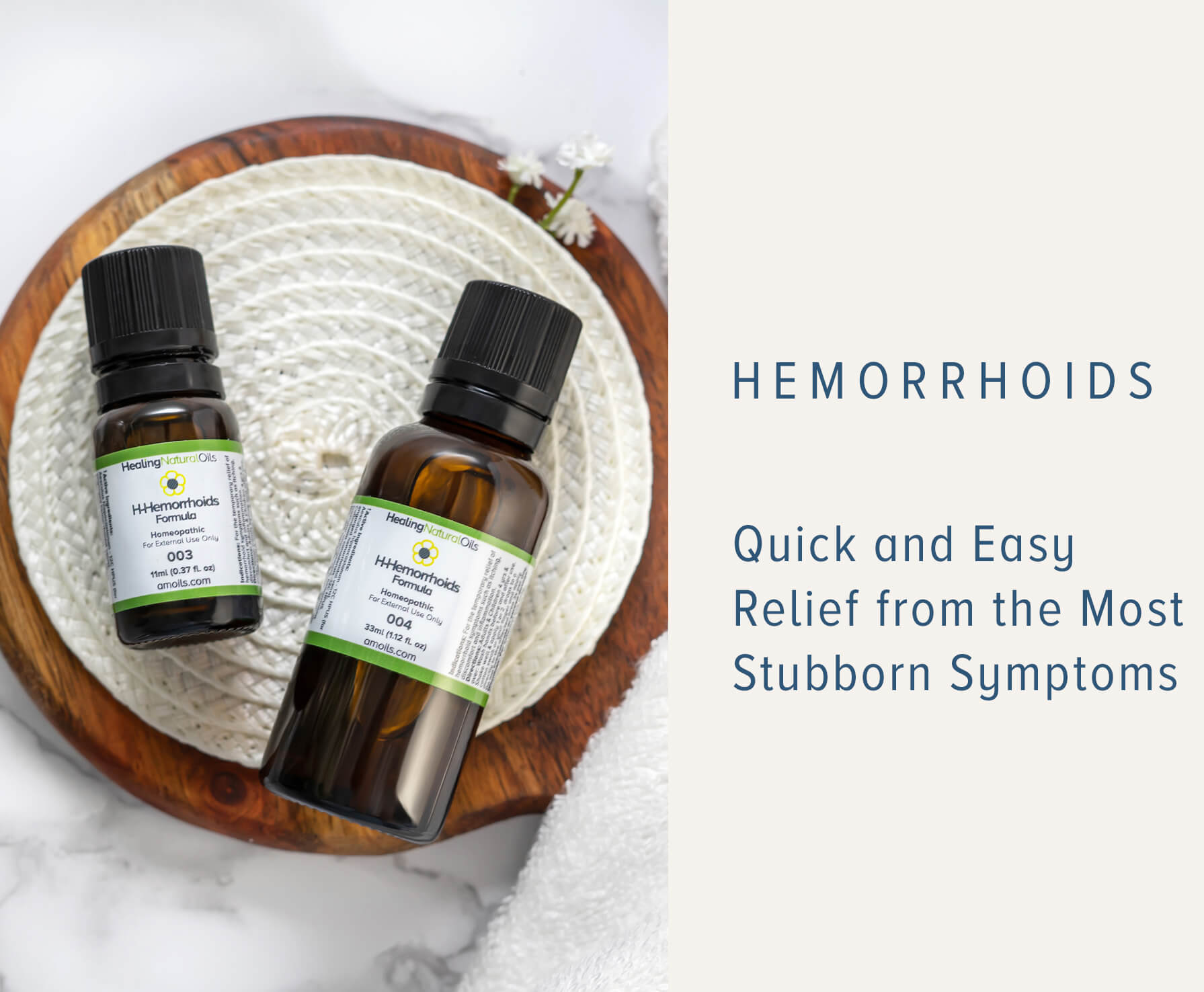
o Varicose Veins and Hemorrhoids– possibly 40%
of pregnant women develop varicose veins so take care
to rest with your feet up as much as possible. By
sleeping on your left side, you will decrease the
pressure on the vein which carries the largest amount
of blood through your body.
Maternity support house can be very beneficial. A
healthy and balanced diet low in salt but rich in
high fiber food helps plus plenty of exercise including
kegel exercises. Some pregnant women will suffer from
hemorrhoids. Avoid sitting or standing for long periods
as well as constipation
o Maternity Clothes – around week 13 of your
pregnancy your clothes may start to feel tight. Choose
plenty of loose clothing so you are comfortable and
these days there are so many styles to choose from.
You may find that even your maternity wear is not
large enough for the last couple of weeks so be prepared
for that possibility too!
o Scans and Gender – an ultra sound scan is
usually done about half way through your pregnancy.
This is an important milestone so make sure your partner
will be able to come with you or if this is impossible,
take a close family member. It is highly likely that
the doctor or technician will be able to determine
the sex of your baby during this scan. In addition,
you will find the scan very interesting.
o Emotional Wellbeing – make time during your
busy day for some “me time” when you have
time to yourself for reading, a soak in the tub or
even a pregnancy massage. Relieve some of the stress
and tension you may be feeling by relaxing in a comfortable
place with your body completely supported. While you
close your eyes, concentrate on tensing and relaxing
individual parts of your body. Start at your toes
and work your way slowly up to your head. Then in
reverse, work from your head down to your toes again.
You should then feel relaxed and loose all over your
body. This is also a time when your spouse can play
a great part in ensuring the mother of his child is
happy, secure and protected from any mood swings or
other emotional upheaval. If you are feeling low for
more than 2 weeks, then please seek help from your
caregiver.
o When to stop working – not every mother-to-be
even has a choice about this. However, if it is up
to you, then carry on as long as you are comfortable
to do so even if you cut down to part-time. It can
help to keep you busy during the waiting months but
you need to ensure you are getting enough rest.
o Planning ahead – as well as planning your
baby’s nursery and having everything ready for
your baby to come home to, don’t forget to have
a stock of ready made meals in the deep freeze. When
you are nearing the end of your pregnancy, have your
hair cut, have your hospital bag packed and ready
including going home clothes both for you and your
baby plus a car seat fitted ready in the car for the
drive home. You home should be a safe and friendly
environment for your baby.
o Preparing the Perineum – this is the flesh
that stretches between the vagina and rectum and plays
an important role both during pregnancy and the natural
birth. Several hormonal and physical changes affect
the perineal area during pregnancy. A “perineum
soften” massage, to gradually soften and stretch
the perineal tissues, can be carried out from the
34th week up to and even including the birth. Kegel
exercises and even your position while giving birth
all contribute to avoiding stress on the perineum.
o Labor Massage – when planning ahead for the
birth, consider having a labor massage. This helps
to improve the blood flow and relax the muscles. Your
spouse can learn the technique beforehand.
o D-Day – visit the hospital where you are to
give birth so you have some idea of what to expect.
You have been learning how to relax for several months
so that by the time you do start to deliver your baby,
it almost
becomes second nature. Often false labor contractions
can start before the real thing. If you are worried
and do not know whether it is a false or real labor,
seek medical advice. Hospitals, doctors and healthcare
providers are so used to this, they will not give
it a second thought.
If you follow these 20 tips during your pregnancy,
you will be going a long way towards giving yourself
the best possible chances of enjoying a problem free
pregnancy.