

Many people have hemroids but as they are the smallest
of hemroids and they present no symptoms, they can
go detected for an entire lifetime. If you asked many
of these people “what are hemorrhoids?”
or “what causes hemroids?” they might
not even know what you were talking about. However,
others who have hemroids endure a painful condition
and may even go on to suffer from bleeding hemroids
which can be a frightening and embarrassing problem.
If you are suffering the pain and discomfort of hemroids,
you are not alone as it is thought that some 50% of
adults in the US will have this condition in their
lifetime.
Internal vs. External Hemorrhoids
Hemroids come as internal hemroids (found inside the
anus) or external (found under the skin surrounding
the anus). It is the internal hemroids that often
show no signs and symptoms except where there is the
presence of blood on the stool or an internal hemroid
may suddenly protrude through the anus outside the
body. The blood may be the result of straining or
irritation from the bowel movement which injures the
delicate surface of the hemroid. The protruding of
the internal hemroid may be because of excessive straining.
External hemroids will often cause a painful swelling
or a noticeable hard lump surrounding the anus. Blood
may also be apparent and sometimes forms into a clot
adding to the irritation and discomfort.
In the case of straightforward hemroids, you can
treat the condition with some simple steps at home
which should include a proven effective natural treatment
for hemorrhoids such as Heal
Hemorrhoids.
Change your diet to a high bulk one where you include
high fiber foods such as beans, broccoli, carrots,
bran whole grains and fresh fruits.
Drink at least 6-8 glasses of water each day.
Ensure you have sufficient exercise such as a brisk
20 minute walk every day.
Try to train yourself to have a set time each day
for a bowel movement and never put off the urge to
go to the toilet.
Relieve the discomfort by soaking the area of the
hemroids in a warm bowl of water several times per
day.
Apply an ice pack to the area when you feel the need.
Keep the area clean by using soft moistened toilet
paper or baby wipes. Both should be non-scented to
avoid irritation. Never rub or scrub the area.
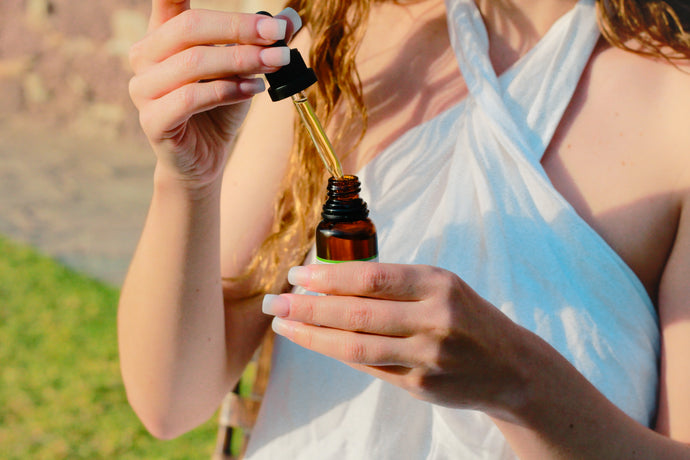
Use an over-the-counter hemroid treatment option or
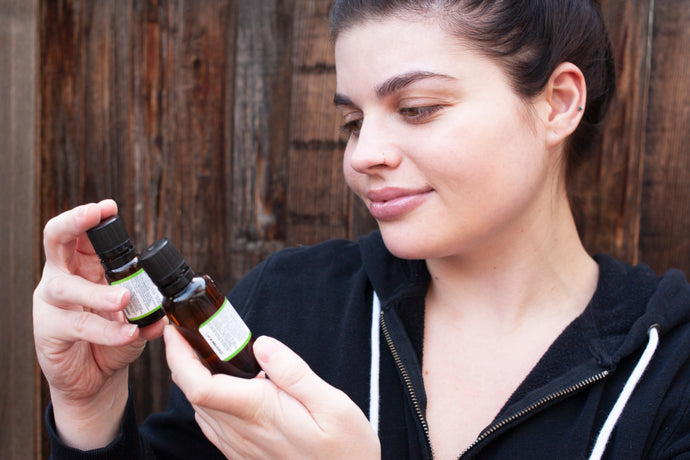
Try a natural and gentle hemroid healing product made
from essential oils and available on line.
If you follow the guidelines above, you should be
able to treat your hemroid condition successfully.
However, should you be suffering from bleeding hemroids
then these should be evaluated by your doctor and
given prompt treatment before the condition becomes
more serious. Never put off going to see your doctor
because you are scared or embarrassed. He has seen
such conditions many times before and he will advise
you the best way forward.
What causes Hemroids?
The main cause of hemroids is a blockage in the veins
of the rectum. This condition develops because blood
has accumulated in the veins of the rectal area due
to blockage and after some period of time the pressure
in the veins increases to the extent that the veins
cannot resist. Constipation can be the cause of this
blockage as well as the pressure of the fetus in pregnant
women, hormonal changes in pregnant women and even
the actual delivery of the unborn baby when straining
and pushing takes place.
Some of the common causes of bleeding hemroids are:
Very weak rectal vein walls.
Serious and ongoing constipation.
Too much pressure on the rectal veins because of poor
muscle tone or posture due to prolonged sitting and
this includes sitting on the toilet itself.
Hypertension in the portal vein
The excessive consumption of alcohol and/or caffeine
Pregnancy when many pregnant women suffer from hemroids
due to increased straining of bowel movements and
hypertension.
So now that you know the answers to the questions
“what are hemroids?” and “what causes
hemroids?” you should be able to treat them
successfully yourself at home. But you should start
such treatment straight away to avoid future problems
such as bleeding hemroids.
If you do not treat your hemroids, you may well go
on to suffer from bleeding hemroids which is a secondary
condition. You will then need treatment for the secondary
condition as well as treatment for the main condition.
Go
to our hemorrhoids treatment product page