



Warts: Causes, Diagnosis, Risk, Photos & Treatment
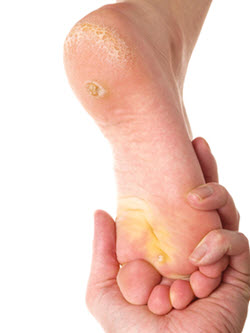
What are Warts?
A wart is a small, benign growth on the skin. Warts can appear anywhere on the body, but they are most commonly found on the hands, feet, and face. They are typically small and rounded, with a rough texture. Some warts may be flat and smooth, while others may have a pattern of black dots on the surface. Warts are not harmful but can be unsightly and cause discomfort or irritation. Treatment is usually unnecessary, but warts can be removed if they cause problems or are cosmetically undesirable.
The three types of warts that are most common are plantar warts (verrucas), flat warts, and common warts. Children are more susceptible to warts because their immune systems are not fully developed, and the areas on their body are more prone to a minor injury, so often, a break in the skin makes it easy for the wart to enter. People also tend to get warts when they are under a lot of stress and their immune system is weak.
Table of Contents:
Diagnosis
Causes
Types
Wart Pictures
Warts & Children
Warts vs. Acne
Recurring Warts
Treatment
Natural Treatment
Wart Prevention
Identifying Warts
Seek medical advice if the wart or surrounding skin is: painful; red; bleeding; swollen; or oozing pus.
Never attempt to remove or treat a wart yourself by burning, cutting, tearing, or picking. Many people read about the potential of removing warts using the duct tape method. However, this method can cause long-term damage to the skin surrounding the wart, creating scarring and intense bleeding (not to mention pain). We recommend natural wart removal products to address warts gently.
Educate your children to wash their hands and skin regularly while avoiding direct skin contact with a wart on someone else. If your child cuts or scratches his skin, be careful to use soap and water to thoroughly clean the area because open wounds are more susceptible to wart agents. Warts on the skin can be transmitted by person-to-person contact.
Warts can also be spread by biting your nails or picking at a wart. Some people are more susceptible to developing warts than others, but it needs to be clarified why this is the case. A weakened immune system, genetics, and other factors may play a role.
Warts should not be confused with moles. Moles are often dark and can grow quite large, while warts are usually small, skin-colored, and rough to the touch. They can thrive almost anywhere on the body, but the hands, fingers, face, and feet are the most common places. Warts on the soles of the feet are called plantar's warts.
Warts pass from person to person but you can also get the wart by touching a personal item, such as a towel or clothing recently used by someone else who had warts. In the case of plantar warts on the feet, it is easy to pick up warts when walking barefoot in public areas such as paving around a swimming pool, public showers, or locker rooms.
Children are the most susceptible to warts because their immune system is less mature. Each person's immune system responds to the highly contagious agent differently, meaning not everyone who comes in contact develops warts.
If you have warts, they can spread to other places on your own body. Warts usually spread through breaks in your skin, such as a hangnail or scrape. Biting your nails also can cause warts to spread on your fingertips and around your nails. A wart will not necessarily develop straight away. It can take a wart as long as two to six months to develop.

Are Warts Contagious?
Yes, warts are contagious and can be spread from person to person through direct contact with the skin of an infected person or by touching objects that have come into contact with a person who has warts such as towels or communal surfaces. It is essential to avoid touching or picking at warts, as they can spread to other areas of your skin or other people. If you have warts, keeping them covered with a bandage or plaster is also a good idea to reduce the risk of spreading them.
How Do You Get Warts
Warts are contagious and can be transmitted by direct contact with the skin of an infected person or by touching objects that come into contact with the warts, such as towels or communal surfaces. Warts can also spread by biting your nails or picking at a wart. Some people are more susceptible to developing warts than others, but it needs to be clarified why this is the case. A weakened immune system, genetics, and other factors may play a role.
Types of Warts
Several different types of warts can affect the skin. Some common types of warts include
- Common warts: These are the most common type of wart and are typically found on the hands, backs of fingers, toes, and knees. They are often raised dome-shaped and have a rough, bumpy texture. Although they are considered contagious, it is prevalent to not spread within a household and for just one family member to have them. In addition, they often affect just one part of the body (such as the hands or the feet) without spreading over time to other areas.
- Plantar's warts: Also known as Verrucas - These warts occur on the soles of the feet and can be painful from the pressure of walking or standing on them flattens them. They are often deep within the skin, dotted with tiny clotted blood vessels that look like dark pinpoint spots – some people think they are roots. Plantar warts are often confused with corn.
- Filiform warts: These are single, long, and thin, with a thread-like appearance. Filiform warts are most commonly found on the face, particularly near the eyes and mouth.
- Flat or plane warts: These are often tiny and flat (the size of a pinhead) with a smooth surface. They are most commonly found on the face, neck, hands, wrists, legs, and tend to appear in large numbers.
- Periungual warts are warts that occur around or under the nail.
Wart Pictures
Warts can vary in appearance depending on the type, location, and stage of development. It is possible to tell different kinds of warts apart by looking at photos, but it is not always easy. Individual warts may look different, even within the same type of wart. To accurately diagnose a wart, it is best to consult a doctor or healthcare provider who can examine it in person. They can determine the type of wart and recommend the best treatment options. It is always a good idea to consult with a doctor or healthcare provider if you have any concerns about growth on your skin. View the picture gallery of warts.
Wart before and after using H-Warts Formula
Watch watch customers have to say about H-Warts Formula
Warts and Children
Warts are quite common in children. This is because children's immune systems are still developing. In addition, children are more likely to have close contact with other children, which can increase their chances of being exposed to warts. Because of this, warts are more common in younger age groups and tend to be more prevalent in school-aged children.
Over 120 wart types have been identified, and each strain is referred to by number. Each type of wart is named for its appearance or the place where it occurs. Despite the media hype about warts, some strains of this virus cause comparatively harmless warts in children. However, children have an immature immune system, making them more likely to pick up warts in the first place.
Warts are opportunistic and will often take advantage of any small scratch, cut, or wound in the skin to invade warm moist areas – particularly on the fingers, hands, and feet. Children will have more of these minor scratches, cuts, or wounds than adults, plus they also tend to have more skin-to-skin contact with other children and share lots of items like towels, clothing, toys, and more.
These reasons, along with the more immature immune system, can lead to the appearance of warts in children from time to time.
Although most warts are painless, plantar warts on the soles of the feet can become very painful when they start to grow inwards because of the pressure and weight of being walked on all the time.


Four main types of warts affect children:
- Common warts usually appear on fingers, hands, knees, or elbows. They look like small, hard bumps shaped like a dome and are brown to gray. Their rough surface sometimes reminds people of a tiny cauliflower.
- Flat warts are very small and about the size of a pinhead. These warts have flat smooth tops and are usually the same color as your flesh. Although commonly occurring on the face, they can also grow singly or in clusters on arms, knees, or hands. If children scratch or pick at flat warts, they can spread to other body parts.
- Filiform warts have a finger-like shape and are usually flesh-colored. They often grow on or around the mouth, eyes, or nose.
- Plantar warts (veruccas) are those painful warts that appear on the soles of the feet, as already mentioned. Please be aware that dealing with plantar warts as soon as possible is essential, as they become more stubborn and more painful the longer they are around.
It is always easier to treat your children's warts in the early stages; this has the added advantage of preventing them from being so contagious.
Treatment includes
- OTC products that contain acids help remove the dead skin cells on the wart's surface. Various strengths are available, from 17% with liquids to 40% with patches. These products are usually applied daily to remove the warts layer by layer until they have disappeared - but do not use on the face because of the harsh ingredients.
- Cryotherapy is another treatment method, using extremely low temperatures to freeze warts away with liquid nitrogen. While doctors or dermatologists can carry out the treatment at a cost, over-the-counter cryotherapy products are also available. Once again, these products should not be used on the face.
- There are prescription medications for small warts.
- A common home remedy for treating flat warts is using adhesive tape, which is placed over the wart. Several layers of waterproof tape are placed over the area and left on for six days. Then the tape is removed, and the site is left open to the air for 12 hours. If the warts are still present when checking, the tape is applied for six days, continuing the process for as long as necessary. This is not a method we recommend.
- You can choose a natural and topical product from healing natural oils to use as a safe and gentle home remedy for all warts (including on the face) where the root structure and the surface of the wart are treated naturally. Hence, there are no side effects such as burning or scarring. Warts removed with this method will not return and will not spread.
- If your child is prone to warts, look at boosting the immune system. There are many ways to boost the immune system, including
- checking vitamin D levels and topping up with plenty of sunlight plus a vitamin D3 supplement if necessary,
- Changing to a healthier, whole-food diet while avoiding those foods that are processed, contain unhealthy fats, are high in sugar, and contain stimulants,
- Ensuring sound, good quality sleep, and enjoying regular exercise.
Skin Conditions That Appear Similar To Warts
Several skin conditions can appear similar to warts. Some of the most common include molluscum contagiosum(water warts), seborrheic keratoses(SK), and actinic keratoses. Molluscum contagiosum is a viral infection that causes small, flesh-colored bumps on the skin. Seborrheic keratoses are benign growths that can look like warts and typically appear on the face, chest, or back. Actinic keratoses are rough, scaly skin patches caused by sun exposure and can resemble warts. It's essential to have any skin growths evaluated by a doctor to determine the cause and appropriate treatment.
What Is The Difference Between Warts, Skin Tags, And Moles?
Warts, skin tags, and moles are all types of skin growths that can occur on the body. However, they have some key differences. Warts are small, rough growths that typically appear on the hands and feet. Warts are caused by agents and are contagious. On the other hand, skin tags are small, soft growths that hang off the skin and are typically found on the neck, underarms, and other areas where skin rubs together. Skin tags are not contagious. Moles are growths on the skin that are typically brown or black. They are made up of pigment-producing cells and can appear anywhere on the body.
Warts vs. Acne
While warts and acne are common skin conditions, they each have very distinguishing signs and symptoms.
Appearance
Warts are usually small and round growths. Some are rough, and some are smooth. Although they start very small, they can grow quite large. Many will end up in a cluster and resemble a small cauliflower.
Acne has different pimples, such as whiteheads, blackheads, nodules, cysts, pustules, and papules. While the whiteheads and blackheads (as their names suggest) have whiteheads or blackheads to them, the others are red small, or large bumps.
Location:
The most common place for warts is on the hands and fingers, followed by plantar warts on the feet and soles. They can grow on other parts of the body too.
Although acne can break out anywhere on the skin with hair follicles, the usual location is the face, neck, shoulders, and back.
Age groups
Common, flat, and plantar warts are more common in children and young adults (a) because their immune systems are less mature, and (b) they tend to have more physical contact with one another. Genital warts are most likely in young adults. Warts are contagious.
Acne is most likely in the teens, although there are some cases of adult acne in the twenties and early thirties. Acne is not infectious.
Recurring Warts
One of the more significant challenges is that warts are often difficult to eliminate and may return or spread to other body parts, even after a wart shrinks or disappears.
As you get older, you may become less likely to get warts or recurring warts. Warts become less common in older people because their immune system develops immunity over time.
Treatment of Recurring Warts
There are some risk factors that you can control to try and avoid both warts in the first place or recurring warts if you have already had them in the past.
- Public showers and other places with damp, warm surfaces, such as locker rooms, or the areas around swimming pools, provide the perfect breeding ground for picking up the warts virus. So be aware of this and always keep on some sort of footwear.
- Take care not to share personal items.
- Avoid touching warts on either yourself or someone else. If you do so, wash your hands thoroughly with soap and water.
- Be careful not to bite your nails or cuticles.
- A wart may return after surgery.
- If you have a history of warts that recur, you may want to discuss more aggressive ways of treating these recurring warts with your doctor or healthcare provider.
Warts & Cryotherapy Treatment
While there are many different ways in which you can treat warts, cryotherapy can be a very effective method, particularly in the cases of stubborn warts. It is not recommended for plantar warts because, with cryotherapy, a blister forms, and this would be very painful to walk on afterward. The advantage is that cryotherapy is not an invasive procedure. The wart or warts are destroyed by applying extreme cold on the cells so that water ice crystals form. These ice crystals expand, pushing through the cell walls and eliminating the wart.
Cryotherapy is carried out by your doctor or health care practitioner cleaning the wart and the surrounding skin before applying liquid nitrogen as a spray, on a cotton swab, or through a tube. The cryogen or freezing agent, such as liquid nitrogen, may sting, and if someone is susceptible, then a local anesthetic can be given. After the treatment, the doctor will cover the area with a small bandage for protection. A blister forms, crusts over, and then falls off within 2 to 3 days. The affected cells in the wart are killed off, but the connective tissue remains unharmed so that the area can heal, usually without the risk of scarring.
Dealing with Warts
There are several options for warts, and the most appropriate treatment will depend on the type and location of the wart, the individual's age, and overall health. Some common treatments for warts include:
- Over-the-counter wart-removal products, such as salicylic acid, can be applied directly to the wart to help break down the infected skin cells.
- Cryotherapy involves freezing the wart with liquid nitrogen to kill the infected cells.
- Laser therapy uses a focused beam of light to destroy the wart.
- Duct tape occlusion involves covering the wart with duct tape for several days to suffocate the infected cells.
- Cantharidin, a medication that can be applied to the wart to cause a blister, helps separate the infected skin from the healthy skin.
- FDA listed natural wart products that include Phytolacca decandra and Thuja occidentalis as active ingredients that have no harmful side effects of wart products with harsh creams or acids.
It's important to note that some warts may resolve over time, so treating them may not be necessary. A doctor can evaluate the wart and recommend the most appropriate treatment.
What are the ingredients often used in homeopathic treatments for Warts?
Homeopathic treatments for warts are based on the principle of "like cures like," where substances that might cause symptoms in a healthy person can, when highly diluted, treat similar symptoms in a sick person. Here are some commonly recommended homeopathic remedies for warts:
- Thuja Occidentalis: Often the first remedy considered for warts, especially for those that are pedunculated (having a stalk) or located on the face, genitals, or anal area.
- Nitric Acid: Used for large, fissured or gold-yellow warts that bleed easily and are often located on the inner surfaces of the mouth, genitals, or anus.
- Causticum: Indicated for old, large warts on the face, especially the nose. It's also used for warts on the fingers, hands, and tips of the nose.
- Dulcamara: Recommended for large, smooth warts on the face and neck.
- Antimonium Crudum: Used for hard and smooth warts, especially those located on the soles of the feet (plantar warts).
- Ferrum Picricum: Often prescribed for warts on the palms of the hands or soles of the feet.
- Graphites: Used for warts that are fissured or cracking, especially those located on the palms of the hands or soles of the feet.
- Ruta Graveolens: Indicated for plantar warts.
- Staphysagria: Often recommended for warts that are located on the eyelids and face.
*It's important to note that while some people find relief using homeopathic remedies, scientific evidence supporting the efficacy of homeopathy is limited. If someone is considering homeopathic treatment for warts or any other condition, it's essential to consult with a qualified homeopathic practitioner and also inform their primary healthcare provider.
What are the homeopathic ingredients in Healing Natural Oils H-Warts Formula?
The ingredients in the Healing Natural Oils H-Warts Formula are:
Active Ingredients:
- Phytolacca decandra 12C: Phytolacca decandra, commonly known as pokeweed, is sometimes used in homeopathy for various conditions, including skin-related issues.
- Thuja occidentalis 12C: As mentioned earlier, Thuja occidentalis is a commonly recommended homeopathic remedy for warts.
Inactive Ingredients:
- Essential Oil Blend:
- Citrus limon peel: Lemon peel oil
- Melaleuca alternifolia leaf-branch: Commonly known as Tea tree oil
- Thuja occidentalis leaf - Cedarleaf essential oil.
From the list of ingredients commonly used in homeopathic treatments for warts that were provided earlier, Thuja occidentalis is the ingredient that matches with the ingredients in the Healing Natural Oils H-Warts Formula.
Natural Treatment for Symptoms of Warts
H-Warts Formula is all-natural and contains no harmful additives. Our FDA-approved natural wart removal product is made up of the highest quality essential oil and homeopathic ingredients. Manufactured to the highest standards in a GMP facility (Good Manufacturing Practices) in the USA, H-Warts Formula is gentle on the skin and safe for adults and children over 4 yrs. Simple to apply and fast acting!
How Does H-Warts Formula Work?
H-Warts Formula is a natural product containing carefully selected homeopathic ingredients and aids in treating warts. Thuja occidentalis is used locally for warts symptoms.
For skin tags and moles, see our natural skin tag product and natural mole removal product*
How Do I Use It?
Apply the product directly to your warts using a cotton swab. Our natural warts product is concentrated; only a few drops are needed for each application. It contains natural homeopathic components that counteract warts symptoms when used correctly and according to instructions.*
How Long Does It Take?
H-Warts Formula begins to work quickly! The process does vary based on the size and number of warts. Warts may change in color, size, and/or appearance and begin to flake away. You can expect to see results in a week or two. Some stubborn warts may take a little longer.*
Wart Prevention
The best way to prevent warts is to avoid contact with the highly contagious wart agent that causes warts. Some steps to reduce your risk of getting warts to include
- Wash your hands regularly and thoroughly, especially after touching your skin or other surfaces contaminated with warts.
- Avoid touching your eyes, nose, and mouth, as this can help prevent warts from spreading.
- Avoid sharing personal items with others, such as towels, razors, and nail clippers.
- Wear shoes or slippers in public places, such as locker rooms, showers, and pool areas, to protect your feet from a wart on the ground.
- Avoid biting your nails or picking at cuticles, as this can introduce warts into your body.
- Improve the weakened immune system - In some cases, the immune system can clear the infection on its own, preventing the development of warts.
Remember, even if you take these steps, you can still get warts. You must check your skin regularly for any changes and consult with a doctor or healthcare provider if you have any concerns.
Other guides on health conditions:
Sources:
American Academy of Dermatology. How do dermatologists treat warts?. https://www.aad.org/public/diseases/contagious-skin-diseases/warts#treatment. Accessed January 26, 2021.
American Academy of Dermatology. Warts. http://www.aad.org/dermatology-a-to-z/diseases-and-treatments/u---w/warts. Accessed January 26, 2021.
Kwok CS, et al. Topical treatments for cutaneous warts. Cochrane Database of Systematic Reviews. http://onlinelibrary.wiley.com/doi/10.1002/14651858.CD001781.pub3/abstract. Accessed December 7, 2020.