



Moles: what causes them and how to get rid of them
What is a Mole?
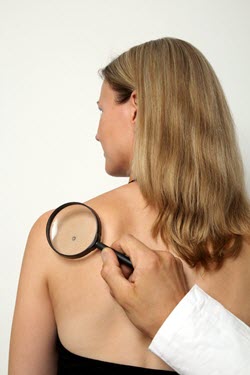
Moles are common skin conditions of overgrown skin cells called melanocytes. Moles are typically small, flat, or raised, colored spots in the skin. Many of us go through life without giving this common type of skin growth a second thought, while others would prefer to get rid of moles on sight if possible.
Sun exposure plays a large part in mole development, where moles occur on body parts exposed to sunlight (ultraviolet radiation). The number of moles typically increases after extended time in the sun, and the sun may even be involved in developing dysplastic or atypical moles.
Moles are one of the world's most common skin growth conditions, as almost everyone has at least one mole. While most moles develop during our lifetime, 1% to 2% of the population are born with moles. These congenital moles are often found on the torso or the limbs, although they may appear anywhere on the body, and they may cause health issues over time. It is perfectly normal for an adult to have 10 to 40 moles by adulthood, hence why many folks are looking for a mole removal product or mole treatment. To that end, skin mole diagnosis and removal, both surgical and natural mole removal, have become important topics.
Table of Contents:
Types of Moles
Causes & Diagnosis of Moles
What Does a Mole Look Like?
How to Identify Moles
Why Should I Check My Skin Moles?
How to Do a Skin Self-Exam of Moles?
When Do I need to See My Doctor?
Mole Removal Surgery
Mole Scar Treatment
Natural Treatment of Moles
Can You Remove Moles Naturally?
Skin Conditions Similar to Moles
Mole Prevention
Skin Mole FAQ

Types of Moles
There are three common types of moles: acquired/common, congenital, and dysplastic.
- Acquired Nevi: These are common moles that appears after birth, small growths on your skin that are usually either darker or red compared to the rest of the skin, with a distinct edge. A common mole is typically small and can show up anywhere on the body, from the face to the back to the legs.
- Congenital Nevi: Congenital moles are discovered on your skin at the time of birth. They are common and usually harmless, occurring in one out of 100 people. However, congenital moles may risk complications in cases where congenital moles are larger than two to three inches in size. Talk to your doctor about which mole treatment options would work best for your skin type and the size of your mole.
- Dysplastic Nevi: Dysplastic mole is considered abnormal, with larger, uneven color with dark brown centers and jagged or irregular edges with a lighter color. These moles tend to be hereditary, with a greater chance of developing malignant skin diseases, and imperative you consult a dermatologist (physician specializing in the skin) and regularly self-monitor changes in the mole.
Causes & Identifying Moles
Moles are an abnormal growth of skin caused when melanocytes (cells in the skin) grow in clusters. Melanocytes are distributed throughout the skin and produce melanin, a natural pigment that gives skin color. However, abnormal growth doesn't always mean health risks; moles are a widespread benign skin condition. Routine skin exams can help early detect suspicious moles. Do a self-examination of your skin once a month, become familiar with the moles' location and pattern, and watch for changes.
What Does a Mole Look Like - Benign Mole Pictures
Moles pictures are handy for identifying different types of moles. Moles usually are small, dark skin growths that develop from pigment-producing cells in the skin, but they can be flesh-colored or yellow-brown, raised off the skin, and very noticeable, or may even have hairs growing out. While most moles are harmless, many people who have moles on their faces feel they are unattractive, so they want them removed for cosmetic reasons. Facial moles usually get more attention than moles elsewhere on the body. We provided a gallery of photos to help you visually identify mole.
|
Skin mole on cheek |
Skin mole under eye |
|
Skin mole on face |
Skin mole on forearms |
|
Skin mole on back |


For additional mole photos, visit our skin mole photos gallery.
How to Identify Moles
Common moles are usually small, less than 6.35mm or a quarter of an inch in diameter, about the size of a pencil eraser, with well-defined borders surrounding skin conditions. Congenital nevi are moles present at birth that can be larger than a common mole. Mole’s colors range from pink to tan to brown to black and any color in between. The texture of mole can vary from smooth, wrinkled, raised, or flat, and hair can grow out of them. Most moles are round or oval in appearance.
Why Should I Check My Skin Moles?
The skin is the human body's largest organ and one of the few organs exposed to the elements. Being proactive about taking care of your skin is imperative for overall health.
This is especially true if:
- You have fair skin.
- You have lots of moles.
- Your immediate family members and close relatives have lots of moles, atypical moles, or a history of skin-related conditions.
Hydration, limiting exposure to excessive sunlight, and using sunscreen are necessary, and most are familiar with them. For those with moles, examining your moles is important.
Dermatologists recommend monthly self-skin exams. Most moles are benign; however, if you notice changes in appearance, including size, texture, and color, you should have your mole checked immediately by a dermatologist. You should also have moles examined if they appear scaly, bleed, ooze, itch, or become tender or painful.
How to Do a Skin Self-Exam of Moles
While most moles are benign and completely safe and may not cause harm or concern, regularly examining your skin will help identify those suspicious moles that may cause damage later on. Use a combination of magnifying glasses and mirrors, or have a partner help with a head-to-toe check. Don’t forget to include your scalp, palms, between your fingers, fingernails, armpits, chest, legs, and feet. Make sure to cover the spaces between the toes and soles of feet. Also, check between the buttocks and the genital area. Taking a photo with a smartphone is a great way to keep track of any progressions you may not notice otherwise.
If you notice any irregularity, contact a dermatologist (a medical professional specializing in conditions affecting hair, nails, and skin) immediately for a professional exam.

When Do I need to See My Doctor About A Mole?
Dermatologists recommend that you self-examine your skin every month. Most moles are benign. When you notice changes in a mole's appearance, including color and size, book an appointment with a dermatologist and have your mole professionally evaluated. Another indicator to have moles checked is if they itch, bleed, ooze, appear scaly, or become tender or painful.
Mole Removal Surgery Options
If you are wondering about effective ways of removing moles via surgery, below you will find the various surgical mole removal treatments options:
- Mole Excision: Mole removal surgery is done by the doctor, making an excision (cutting) to remove the mole, followed by the stitching of the wound. Depending on the size, depth of the mole, and excision, stitches are placed either on the skin's upper surface (and stitches will be removed during follow-ups) or deep (stitches get absorbed by the body and require no removal.)
- Moles Excision with Cauterization: A unique tool is used to cauterize (or burn away) the mole. Mole cauterization is a relatively quick and painless procedure, and the patient can leave the doctor's office shortly afterward. A topical antibiotic is followed up immediately with a simple bandage to cover the area. Good home care is essential to ensure the wounds heal effectively with either excision or cauterization mole removal methods—more on this below.
- Laser Mole Removal: A concentrated beam of light breaks up the cells that make up the mole. Most patients undergoing laser mole removal treatment do so without anesthetic and only feel a tingling sensation from the laser pulse. The laser is gentle and does not harm healthy skin. Laser mole removal tends to be the more costly option, and results vary from patient to patient. Laser treatments cannot treat a deep mole because the light beam does not penetrate enough.
- Cryotherapy: Cryosurgery for mole removal is a simple, non-invasive surgical procedure where liquid nitrogen is used to freeze and destroy the skin growth on the skin surface. The treated area, after removing moles, typically heals in about 7 to 10 days and, in most cases, will not leave a scar.
Mole Scar Treatment
Regardless of the surgical method, mole removal treatment will leave some scarring. Follow your dermatologist's recommendations, but know you'll likely see some scar remnants. Once the surgery wound is fully healed, preventive techniques can be implemented to reduce scarring. Mole surgery scars can be treated with chemical peels, laser treatments, and other natural scar treatment methods to lower pigmentation after the initial scar recovery.
Natural Treatment of Moles
Many natural treatments and natural remedies have been reportedly used through the years to treat and eliminate skin moles symptoms. We are not able to vouch nor endorse the effectiveness of the following mole home remedies and natural treatment of moles:
-
Honey on Moles – some have reported that the mole will eventually disappear altogether when honey is applied to the mole several times a day.
-
Apple Cider Vinegar Mole Removal - the cotton ball soaked with apple cider vinegar is applied to the mole and left to cover the mole for 10 to 15 minutes, then washed off with clean water, and finally, the skin is dried. Most call for this procedure four times a day.
-
Castor Oil & Baking Soda Mole Removal Creams - A paste is made by mixing two drops of castor oil with a pinch of baking soda. The baking soda ointment cream is applied to the mole and left overnight—most call for repeating the process nightly until the moles disappear.
- Garlic Mole Removal - a slice of garlic is placed on the mole cut side in contact with the mole and left overnight covered with a cloth bandage. It is said that within 2-3 days, the sulfur-rich garlic juice will reduce the mole.
We are dubious of these claims to remove moles naturally but sharing these mole symptom treatments claims to educate you.
The most important thing to remember about moles is to examine your skin regularly for any changes and immediately consult a dermatologist if you are concerned. The visual changes to keep an eye on are the color, shape, or size. If the mole starts to itch, becomes painful, bleeds, or new moles appear in adulthood, you should consult a medical professional.
What are the ingredients often used in homeopathic treatments for moles?
In homeopathy, remedies are selected based on the individual's specific symptoms and overall constitution. When it comes to moles, homeopathic practitioners might recommend remedies to address the underlying constitutional tendencies that may be associated with mole formation or changes. Some commonly recommended homeopathic remedies for moles include:
- Thuja Occidentalis: Often prescribed for various skin conditions, including warts, moles, and skin tags. It's especially indicated for growths that have a pedunculated (stalk-like) appearance.
- Calcarea Carbonica: Indicated for individuals who have multiple moles, especially if they are also prone to other skin conditions like warts or cysts.
- Nitric Acid: Used for moles that may have a rough or cracked appearance and are often associated with a tendency toward warts or fissures.
- Lycopodium: Indicated for moles that may change in appearance, especially in individuals with digestive complaints.
- Silicea: Often recommended for individuals with a tendency toward scar formation, and it might be used for moles that are raised or have an irregular appearance.
- Sulphur: Used for various skin conditions, including moles, especially if the skin is dry, red, and itchy.
It's important to note that while some people might seek homeopathic remedies for moles, any change in a mole's appearance, size, color, or shape should be evaluated by a dermatologist or medical professional. Changes in moles can be a sign of melanoma, a serious form of skin cancer. If someone is considering homeopathic treatment for moles or any other condition, it's essential to consult with a qualified homeopathic practitioner and also inform their primary healthcare provider.
What are the homeopathic ingredients in Healing Natural Oils H-Moles Formula?
The ingredients in the Healing Natural Oils H-Moles Formula are:
Active Ingredients:
- Calendula officinalis 12C: Calendula is known for its healing properties and is often used in various skin care products and ointments to promote wound healing.
- Phytolacca decandra 12C: Phytolacca decandra, commonly known as pokeweed, is sometimes used in homeopathy for various conditions, including skin-related issues.
- Thuja occidentalis 12C: As mentioned earlier, Thuja occidentalis is often prescribed for various skin conditions, including warts, moles, and skin tags.
Inactive Ingredients:
- Essential Oil Blend:
- Lavandula officinalis flower bud: Commonly known as Lavender
- Melaleuca alternifolia leaf-branch: Commonly known as Tea Tree oil
- Melissa officinalis blossoms & whole plant: Melissa officinalis, also known as lemon balm
- Thuja occidentalis leaf - Cedarleaf essential oil
- Sesamum Indicum seed oil: Commonly known as sesame seed oil.
From the list of ingredients commonly used in homeopathic treatments for moles that were provided earlier, Thuja occidentalis and Calendula officinalis are the ingredients that match with the ingredients in the Healing Natural Oils H-Moles Formula.
Can You Remove Moles Naturally?
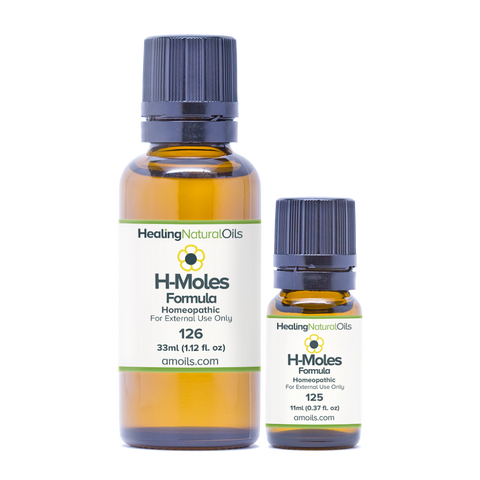
There is a natural mole removal product for benign mole symptoms. H-Moles Formula is a cruelty-free natural solution for unwanted moles symptoms. After the dermatologist has checked your moles, natural mole removal product can be used at home to treat benign moles. The process requires a tiny amount of patience and daily applications, working without pain or scarring.
Skin Conditions Similar to Moles - The Difference between Moles, Warts, Skin Tags & Sun Spots
Moles are often confused with skin tags, warts, and sunspots, making early diagnosis is important. Although moles, skin tags, warts, and sun spots appear on the skin's surface in various body parts, they are pretty different and visually recognizable.
Moles (nevi) are typically small (less than 6.35mm or a quarter of an inch in diameter) with recognizable borders. They are usually single-shaded in color throughout, ranging from pink to dark brown or black, depending on your skin pigment. We, humans, have at least one mole on our body, likely more, and some have two or three varying types of moles. Some are born with moles, while other moles appear over time.

Skin tags (acrochordons) are small, benign skin growths hanging off different body parts. Skin tags usually appear the same color as your skin and appear like a cluster of skin tissues extending out from a tiny stalk or peduncle. Skin tags develop when the body produces extra cells in the skin's top layers. One of the most common places for skin tags to develop is around the eye, especially the eyelids. Skin tags can also develop on the neck, under the arms, under the breasts, groin or thighs, and the back area. Due to the place where skin tags develop, they may become irritated or bleed easily with friction.
Fortunately, skin tags do not affect your health as they are benign, but you may want to look into skin tag removal as they can irritate or bleed easily, and appearance may bother you.

Warts (verruca vulgaris) are benign skin growths that often develop on the surface of the hands and feet. Warts are painless small fleshy bumps that vary in appearance and may develop singly or as clusters. Warts can spread from one location to another or from person to person by contact with the wart.

Sun Spots (liver spots) are flat brown spots that develop on skin frequently exposed to the sun. Sunspots are also called age spots or liver spots, though they don't have anything to do with the liver. Sunspots can appear as suspicious growths; however, actual age spots do not require treatment but are telltale visual signs that the skin received a lot of sun exposure and is reacting to protect itself from additional sun damage. That said, have your doctor look at spots that change in appearance or are black.

Mole Prevention
Protect your skin
Research has linked ultraviolet (UV) radiation leading to health issues. Take precautionary measures to protect your skin from UV radiation, such as from sun rays or tanning beds. Protection from sun exposure is essential for younger children to avoid developing more moles.
Keep these tips in mind to help limit the development of moles:
- Avoid peak sun times - For many people in North America, the peak sun hours have the strongest rays between 10 a.m. and 4 p.m. If you can, try to schedule outdoor activities for hours outside, even on cloudy days or during the winter.
- Use sunscreen year-round - Apply sunscreen 30 minutes before going outdoors, even on cloudy days. Use sunscreen with a minimum SPF15. Apply it generously and reapply every two hours—or even more often if water activity or sweating is involved. Using a broad-spectrum, water-resistant sunscreen with a minimum SPF of 30 or more is recommended by the American Academy of Dermatology during swimming or other water activities.
- Cover up - During outdoor activities, seek shade or use a sun-protective umbrella. Protective clothing, including broad-brimmed hats, sunglasses, long sleeves, pants, and others, can help you avoid damaging UV rays. Technical clothing made with specially-treated fabric that blocks UV radiation is also recommended.
- Avoid tanning lamps and beds - Tanning lamps emit UV rays; overexposure can increase the risk of complications in your skin condition.
Skin Mole FAQ
How common are moles?
Moles are very common, and most adults have an average of 10 to 40 moles on their bodies. Common moles can be present at birth. However, they usually appear later in childhood.
Where do moles most commonly occur?
Most common moles grow on body parts exposed to sunlight (UV, ultraviolet radiation). Common moles are seldom found on the scalp, breast, or buttocks.
Are moles contagious?
No, moles are not contagious.
Do moles hurt?
A mole should not hurt. See a regular healthcare provider or dermatologist if the mole is causing pain or irritation.
Do moles itch?
A mole should not itch. You must consult a dermatologist if your moles or skin around the mole itch.
Is it normal for moles to bleed?
A mole should not bleed. See a dermatologist if your moles bleed.
How do you get rid of a mole overnight?
Surgical processes are the only way to eliminate moles "overnight." Although more costly, excision, cryosurgery, and laser role removal are some surgical methods if you are considering surgical options.
Is there a natural way to remove moles symptoms?
A natural mole removal alternative product that contains carefully selected homeopathic ingredients can target benign mole symptoms painlessly and effectively. Products like Healing Natural Oils H-Moles Formula are recommended for those seeking a natural cruelty-free moles solution.
What is the best natural remedy for moles?
Extract of Thuja occidentalis is used as a homeopathic mother tincture to treat various ailments, like moles and is also used in other traditional medicine systems.
Can you remove a mole yourself?
Force removing a mole using a razor blade is highly inadvisable and can be outright dangerous, and we would never recommend at-home mole removal. Most importantly, contact a medical professional and have a dermatologist verify the mole is benign.
What is the best treatment for moles?
Surgical excision is a common technique for mole removal. After cleaning and numbing the area, a scalpel separates the mole from the rest of the skin. Depending on the mole's size, the doctor may take a margin of healthy skin, ensuring that all the atypical cells are removed.
Can moles naturally go away?
Moles can slowly fade or disappear over a long period, especially as people age, and are usually not a cause for concern. Routine exams and keeping track of the mole's size, color, and shape change is crucial.


Sources
https://www.skincancer.org/skin-cancer-information/skin-cancer-facts/ (Accessed, Nov 22, 2022).
http://www.cancer.gov/cancertopics/prevention/skin/molephotos. (Accessed, Feb 13, 2021).
Wolff K, et al. (2017). In: Fitzpatrick's Color Atlas and Synopsis of Clinical Dermatology. 8th ed. New York, N.Y.: The McGraw-Hill Companies. (Accessed, Feb 13, 2021).
http://www.skincancer.org/prevention/sun-protection/prevention-guidelines. (Accessed, Feb 13, 2021).
Common moles, dysplastic nevi. http://www.cancer.gov/cancertopics/factsheet/Risk/moles. (Accessed, Feb 13, 2021).
Other guides on skin conditions: